
Placement formats
Link insertions.
A link insertion, also called a niche edit, adds a reference to an existing article. Start with the paragraph where a reader would use your resource.
Request the exact URL
Read the article before discussing anchor text. Check its date, whether the advice is still current and whether the publisher can edit that section. Ask which sentence would change and what the reader gains by following the link.
Review the edit in context
Request the paragraph before and after the proposed edit. Descriptive anchor text should tell a reader what opens next. A link to a product dimensions table fits a sizing question. A generic homepage may leave the question unanswered.
Check the live placement
After publication, open the article, click the link and confirm that it lands on the agreed page. Inspect the disclosure and link attribute. Record the article URL and approved wording so you can recheck the placement later.
Ask about removal terms and the publisher’s treatment of paid links before approving a quote.
See the recorded terms for a link insertion on Democrazy or a technology placement on NuCamp. Use the placement checklist when reviewing the proposed edit.
Decide whether an existing article needs your resource
Look for an unanswered question in a passage that already serves the audience you want to reach. The author might mention a technical standard without linking to the specification, list a measurement without linking to its source, or describe a difficult step without showing readers how to complete it. Your proposal should identify that gap and the page that fills it.
Read the full article before selecting a sentence. An old product guide may have a strong title but instructions for a discontinued model. A buyer’s guide might already link to an independent source that explains the point more thoroughly than your proposed destination. If the source is already adequate, look for another page where the suggested edit gives readers additional evidence.
Some sites use the term niche edit for this format. Confirm that the publisher controls the article and can approve changes to its text. Ask for the specific URL and section. If all you have is a domain name, the editor still needs to identify a suitable page. The quote should make clear whether page research and editorial review are included.
Write a before-and-after proposal
Copy the short sentence you are proposing to amend, identify its position in the article and write the revised sentence. Under it, include the anchor text and exact destination. Explain in one line what the reader gains. This gives an editor enough information to assess the placement without having to guess which sentence or page is under discussion.
For example, an article about a faucet repair might tell the reader to check the washer size. A supplier has a chart mapping model numbers to replacement washers. The editor could add a reference to “the washer compatibility chart” beside the part-selection step. The destination should display the relevant models, measurements and revision date. This example illustrates the format and makes no claim that a particular publisher has agreed to the edit.
If the current paragraph would need a full rewrite, ask whether the editor will consider that amount of work under an insertion quote. A comparison that introduces several products, test results and competing claims may fit a new guest article better. Agree on the scope before sending a long draft to a publisher that only quoted for a short update.
Compare available insertion offers
The catalogue separately identifies the placement format. The Democrazy insertion records $5 USD and an estimated one day. Its link treatment still needs confirmation, and the terms exclude gambling, CBD, adult, crypto and dating. That publisher also has a separate release offer. Carry the insertion’s reference 6572 into your enquiry to keep the two distinct.
The NuCamp insertion records $255 USD and is listed in technology. Ask which live article the editor can update, what anchor fits the paragraph and which link treatment applies. Differences in price can reflect different publishers and scopes. Neither a low price nor a higher one establishes the audience or suitability of a specific article.
A listing’s traffic or authority figures apply at the level stated in the offer. Ask separately for any available evidence about the proposed article. Check whether it is accessible to the intended audience, whether the latest update is recent enough for your subject, and whether there is a natural reason to follow another link from that passage. A site-wide estimate cannot establish what an individual page will deliver.
Agree on pricing, timing and link treatment
Request the total for the proposed change. Ask whether the fee includes finding the article, editing the paragraph, checking the destination and providing the published URL. If the listed price is missing, request the amount for the exact publisher and format. Confirm any additional writing or review costs before committing.
An ordinary editorial link is often called dofollow. The visible text and destination can still be meaningful when the publisher qualifies the relationship in HTML. For a paid insertion, Google recommends a sponsored attribute and accepts nofollow. Ask how the publisher labels the update for readers and which attribute will appear on your link. The earlier publication date of the article does not change the nature of a new paid edit.
Turnaround should cover a defined interval. Ask whether the estimate starts once the editor accepts your target article, once the destination passes review or once the quote is approved. If the original author must approve an amendment, add that question to the brief. A one-day estimate on a listing is insufficient to promise that a particular paragraph will be changed tomorrow.
Check the live change and keep a record
Ask to see the final wording before approval if the publisher allows review. Compare the live article with the approved version. Read the surrounding paragraph on a phone, follow the link and check the final destination after any redirects. A correct-looking anchor can still send the reader to an expired URL, a different regional version or a generic login.
Save the original article URL, the agreed anchor, the target URL and the visible disclosure. Note the date and record the result of the check. If the content later moves, see whether the original article redirects and whether the citation survives on the destination page. This record gives the placement desk a specific issue to investigate.
If a link is removed or the destination changes, include the receipt and a short description when contacting placement support. Look back at the quote for any correction or removal provision. Replacement terms, refunds and duration need to be agreed for the individual offer. Keep any subsequent approval with the original quote so a changed publisher does not inherit terms that only applied to the first one.
Audit the proposed host page before the edit
Visit the source article with its address copied into a fresh browser window. Does it open directly, redirect to a different story or send the reader to a category archive? A publisher’s homepage can be working while an older guide has been removed. Read the story from the title down to the proposed sentence. If the article covers a past event, check whether inserting a current commercial reference would give a misleading impression about what was available at the time.
Check the access conditions a reader will encounter. A login, subscription requirement or country restriction can affect a citation even when its HTML is correct. In your brief, state whether access for a particular audience matters. If a page is translated, specify which language version contains the passage. Approval to edit one version says little about another version that might use a different URL, wording or publisher.
Look at the page’s existing sources. Where an author already links to the original research, a second link repeating the same claim adds little. If your resource explains a missing step, work out whether a small addition would interrupt the article’s flow. A table of region-specific thresholds might belong in a footnote or a separate paragraph. Let the editor decide the wording and position that make sense for the article.
Write a brief the editor can verify
Include the host URL, the destination URL and the exact paragraph at issue. Then give one sentence explaining what your resource adds and how a reviewer can verify it. For a calculator, include the inputs, units and assumptions. For a specification, include the revision date and edition. A destination with a prominent sign-up form should still make the promised information easy to find.
Consider this edit to a guide about sizing storage boxes. A buyer proposes adding its product category to the phrase “measure the inside of the box”. The category lists products by external dimensions and contains no instructions. A link from that phrase would leave the reader with the same question. An alternative destination showing how wall thickness changes internal measurements would answer it directly. If the buyer owns neither such a page nor rights to publish the needed explanation, the sensible decision is to stop the request there.
Keep the proposed change small enough for the editor to see its effect. Show the original and revised sentences side by side, with the proposed anchor clearly marked and an optional second wording. If the new passage would change the article’s recommendation or require a new comparison, propose a substantive update or commission a separate article. A quote for a link insertion does not establish a budget or permission to rewrite the author’s conclusions.
Choose between two candidate articles
Take two pages that mention the same subject. One is a short news item reporting a product launch three years ago. The other is a maintained guide that readers use to choose a suitable part today. The product name appears more often in the old news story, while the guide has a section where the proposed specification answers a genuine selection question. Choose the page where a reader can use the evidence, subject to the publisher agreeing to the change.
Ask whether the page has moved recently, whether it is a republication, and who controls the version you were shown. Where similar copies exist on several domains, record the one URL covered by the order. Seeing the same headline in a search result or a mirror site does not identify the agreed host. If the editor suggests another page after reviewing the brief, repeat the relevance check and confirm the substitution in writing.
Document separate acceptance checks for the source and target. On the source, read the changed sentence and check the actual clickable anchor. On the target, follow the link and verify the final page after redirects. If a supplier changes a product URL next month, the original source article may still be carrying exactly the approved link. Knowing which site changed helps the right person fix the issue and keeps a correction request factual.
Questions to ask before approving an edit
Can I specify exact-match anchor text?
You can propose wording, but the editor needs to see it in the sentence. Read the sentence aloud and check the destination. If the words suggest a calculator, the link should open the calculator. A phrase that only repeats a sales keyword may change the author’s meaning or leave readers expecting a different resource.
Can I choose an education or retail publisher?
Start with the education directory or the e-commerce directory to assess audience fit, then verify the listed format. Many publishers list a new article rather than an insertion. Ask which existing page can be edited before treating a relevant subject as an available insertion.
What if I have a target page but no source article?
Send the target URL, preferred reader and a concrete use case. Include an example of a paragraph where the link would help. Ask the desk to identify the candidate article and send you its URL for review. You can see the enquiry fields before opening the chat.
Is this suitable for a new announcement?
An insertion fits a continuing reference in an established article. For a time-sensitive announcement, compare the press release format and check any embargo with the publisher. The placement checklist helps you confirm scope, pricing, disclosure and proof before either type of work begins.
Placement desk
What are you
working on?
Tell us about the page you want people to find and the readers you want to reach.
Get a quote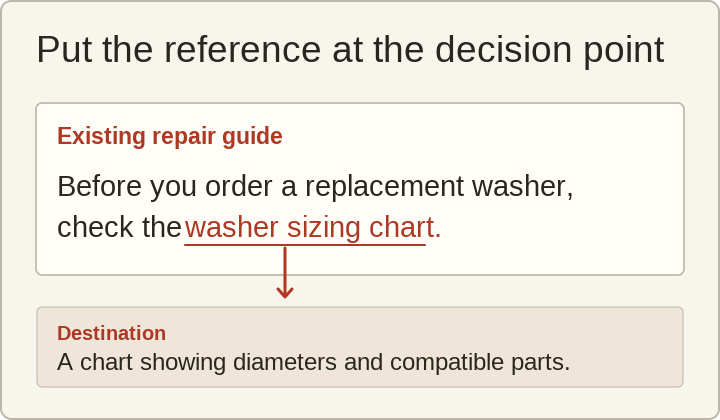
Updated